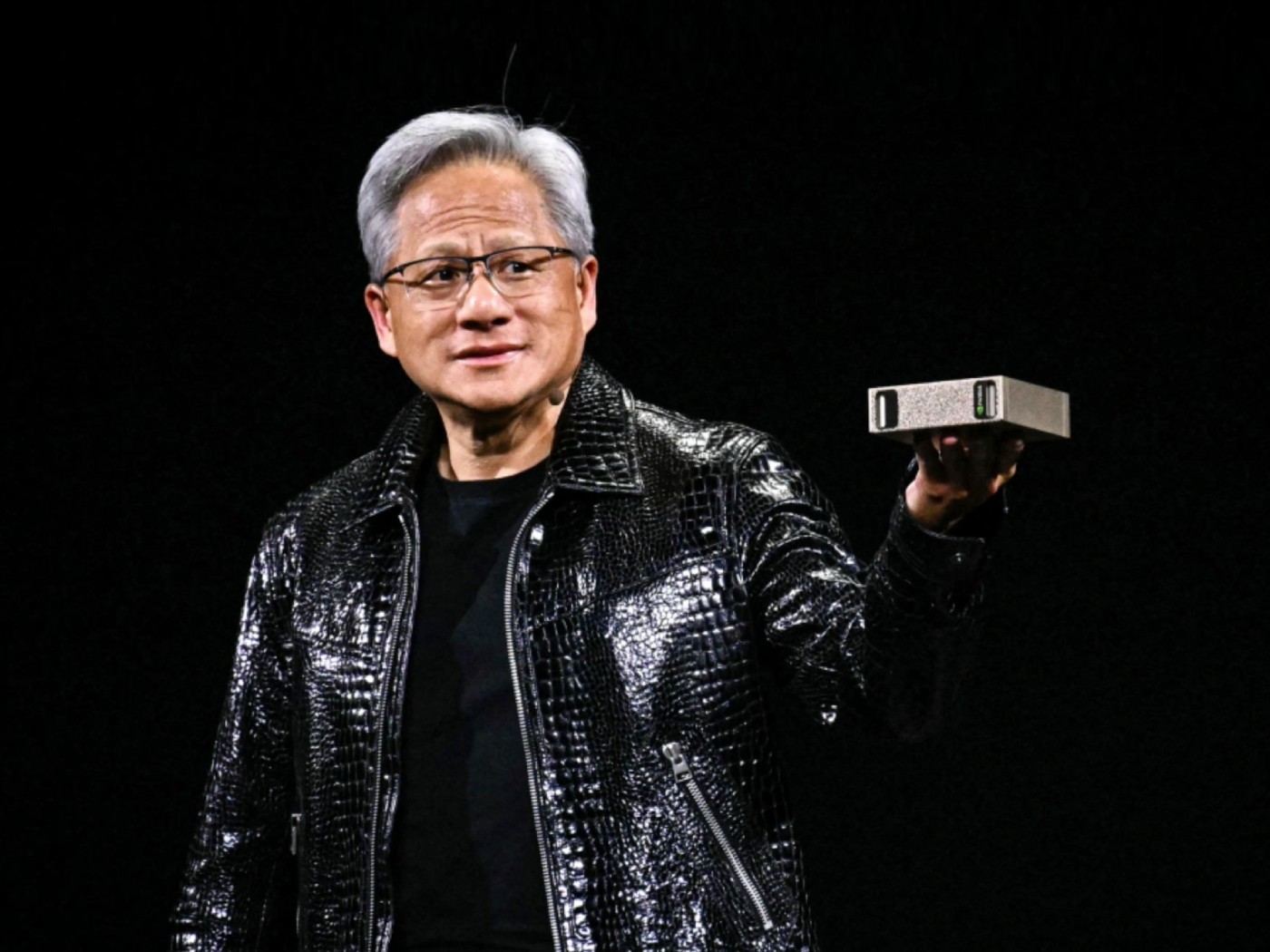
Nvidia CEO Jensen Huang's July 15-16, 2026 visit to Japan catalyzed major AI and robotics partnerships. Within 48 hours, Nvidia secured deals with SoftBank, Sony, and Honda, plus a contract to build Japan's Noetra AI data center. These initiatives aim to develop "physical AI" – systems controlling factories, vehicles, and robots with human-like adaptability.
Key takeaways
- Nvidia to construct a Japanese data center with 13,750 Vera CPUs and 27,500 Rubin GPUs by 2028
- Noetra project unites 44 companies with $6.2B government backing
- Japan targets 10M AI-powered robots by 2040
- Cosmos 3 Edge – Nvidia's new robotics AI model for Jetson Thor chips
- Toyota adopting Nvidia tech for production lines and driver assistance
Nvidia's Strategic Japan Partnerships
Huang's negotiations yielded three landmark agreements: SoftBank will use Nvidia chips for 6G telecom AI, Sony for industrial robotics vision systems, while Honda joins the Cosmos project for autonomous transportation.
Deal specifics
| Company | Focus Area | Timeline |
|---|---|---|
| SoftBank | 6G Network AI | 2026–2031 |
| Sony | Computer Vision | 2027–2030 |
| Honda | Autonomous Systems | 2028–2035 |
Noetra: Japan's Sovereign AI Initiative
The Japanese government launched the Noetra consortium to develop homegrown AI solutions, with three implementation phases:
- Japanese-language model by 2026
- Multimodal system by 2028
- Robot-control AI by 2030
Robotics Coalition Forms
Industry leaders Fanuc, Yaskawa, and Kawasaki are testing Cosmos 3 Edge – Nvidia's specialized robotics AI that enables:
- Multi-robot coordination
- Dynamic production line adaptation
- Real-time sensor processing
Noetra Tech Breakdown
Nvidia's Japanese data center will deploy liquid cooling for 41,250 processors. The Rubin GPU architecture is optimized for training trillion-parameter industrial AI models. METI estimates the center's 1 exaflop capacity could simulate 100,000 simultaneous robots.
Regional Investment Hubs
Beyond Tokyo, Nvidia will establish specialized facilities in:
- Osaka – Automotive R&D
- Nagoya – Factory AI testing
- Fukuoka – Medical robotics
Physical AI Approaches Compared
| Criteria | Japan (Noetra) | US (Nvidia) | China (Baidu) |
|---|---|---|---|
| Focus | Industrial robots | General AI chips | Urban infrastructure |
| Budget | $6.2B | $10B+ | $8.5B |
| Timeline | 2026-2030 | 2025-2028 | 2027-2032 |
Questions & answers
Which companies joined Noetra?
The 44-member consortium includes SoftBank, Sony, NEC, Honda, Toyota, plus specialists like Mitsubishi Electric (energy), Omron (sensors), and Kubota (agricultural robots).
When will Nvidia's Japan data center launch?
Construction completes by 2028, with the 140MW facility housing Vera and Rubin chips. Limited testing begins in 2027 using 5,000 processors.
How is Toyota using Nvidia tech?
Applications span factory design, driver assistance, and traffic analysis. By 2030, 90% of new Toyotas will use Nvidia AI chips processing data from 50+ real-time sensors.
What are Japan's 2040 robotics goals?
The country aims for 30% global market share and 10M deployed AI robots, primarily in automotive (35%), electronics (25%), pharma (15%), and agriculture (10%).
What risks does Noetra face?
Key challenges include US chip dependence (80% of hardware), an estimated 50,000 AI specialist shortage by 2028, and potential US-Japan tech licensing delays.
How will Cosmos 3 Edge transform manufacturing?
The model cuts robot reconfiguration from 8 hours to 15 minutes, boosts precision 40%, and reduces power use 25% via local Jetson Thor chip processing.