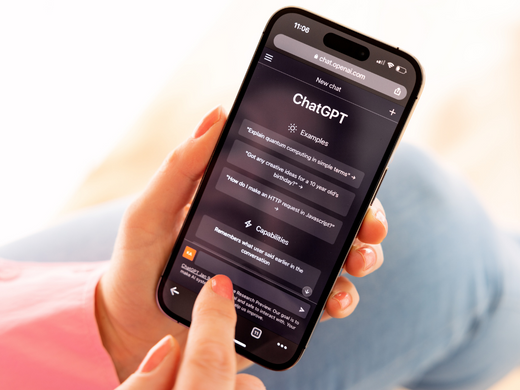
Author Dave Eggers, known for his tech-skeptical views, turned Sam Altman's invitation to address OpenAI employees into a fiery critique of ChatGPT. Speaking to 200 developers, he claimed AI is "silencing a generation" by depriving students of opportunities to develop their authentic voice. Eggers called ChatGPT's impact on educators catastrophic, noting teachers now spend more time detecting AI-generated work while students lose motivation to hone writing skills.
Key takeaways
- Dave Eggers addressed 200 OpenAI employees in July 2026 at Sam Altman's invitation.
- Core argument: ChatGPT burdens teachers and "steals voice" from students, eroding writing skills.
- Eggers—author of dystopian novel "The Circle" and founder of writing schools—has long criticized tech's impact on creativity.
- OpenAI didn't officially respond, though Altman likely anticipated such criticism.
Eggers' core criticisms
At the OpenAI meeting, Eggers focused on three key education concerns: First, AI creates extra workload for teachers now forced to detect AI-assisted work. Second, students relying on ChatGPT for essays fail to develop writing skills. Third—and most dangerous—is the loss of "voice": a generation dependent on AI may never learn to express unique perspectives.
Context: Eggers' anti-AI stance
The bestselling author of "The Circle" (2013)—where tech giants control society through total transparency—has consistently criticized digital tools. In 2025, he called AI texts "meaningless pastiche." His writing schools (826 Valencia, ScholarMatch) actively resist creative automation. To Eggers, ChatGPT threatens fundamental thinking skills, not enhances them.
OpenAI and expert reactions
Sam Altman likely expected criticism—Eggers previously compared AI writing to "literary fast food." While OpenAI didn't comment, its education programs already include ChatGPT guidance for teachers. Experts are divided: some call Eggers' claims hyperbolic, others cite verified declines in student work quality due to AI.
Education system risks
ChatGPT creates three major challenges for schools:
- Time costs: Teachers spend 30% more time evaluating assignments.
- Motivation: 58% of students in a 2026 survey said writing essays manually "makes no sense."
- Blandness: ChatGPT avoids controversial topics, eliminating challenging viewpoints from student work.
Additional consequences
Researchers note other concerning trends:
- Cognitive skills: Reduced critical thinking ability among AI-dependent students.
- Creativity: Limited originality as ChatGPT recycles existing data patterns.
- Ethics: Plagiarism and copyright issues when students submit AI work as their own.
Educator recommendations
To mitigate ChatGPT's impact, experts advise:
- Implement proctored, tech-free written exams.
- Teach students to critically analyze AI texts for formulaic patterns.
- Emphasize process over product through personal journals and exploratory essays.
Questions & answers
Why did Dave Eggers speak at OpenAI?
Sam Altman invited him as an author and writing school founder, but Eggers used the platform to criticize ChatGPT rather than discuss creativity.
Which Eggers books critique technology?
Dystopian novel "The Circle" (2013) depicts tech corporations destroying privacy, while "The Every" (2021) examines social media's psychological effects.
How does ChatGPT affect student work quality?
2026 studies show 42% of AI-assisted assignments contain formulaic language and avoid complex topics, reducing thought originality.
What ChatGPT alternatives do educators propose?
Some schools use tools like GPTZero for detection, others ban AI entirely, returning to handwritten essays.
What are ChatGPT's long-term education impacts?
Experts predict declining literacy and independent thinking skills if AI dependence grows unchecked.
Can ChatGPT be used harmlessly in education?
Some suggest using it for idea generation or grammar checks—not full assignments—while maintaining core writing practice.