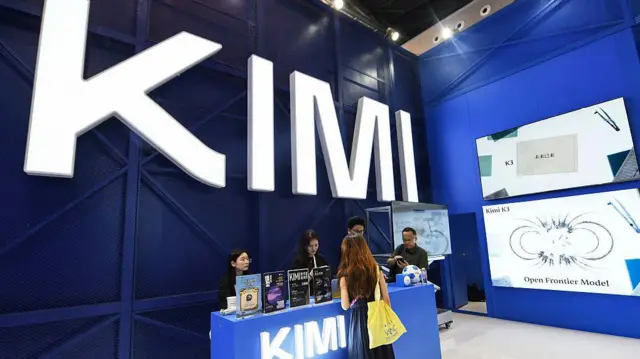
Chinese AI firm Moonshot AI unveiled Kimi K3 — an open-source model claiming "cutting-edge performance" that reportedly trails only flagship proprietary systems like GPT-5.6 Sol and Claude Fable 5. Independent benchmarks confirm its competitiveness, sparking investor anxiety and regulatory scrutiny. The launch coincided with Xi Jinping's speech at the Shanghai World AI Conference, amplifying geopolitical undertones.
Key Takeaways
- Kimi K3 launched July 18, 2026 as open-source with performance rivaling closed models
- Nvidia shares dropped 1% on fears of reduced Chinese demand for AI chips
- Former US AI advisor David Sacks criticizes American over-regulation as innovation-stifling
- OpenAI strategist Dean Ball warns of potential "AI communism" as public utility model
- Analysts note Kimi K3's Mandarin proficiency gives China strategic regional advantage
- Launch timed with new US chip export restrictions to China
What Is Kimi K3?
Moonshot AI's open-source challenger to proprietary AI leaders. Internal tests show strong NLP and coding capabilities despite transparent architecture.
Technical Specs
While architecture details remain undisclosed, third-party evaluators Arena.ai and Vals AI confirm performance parity with closed models. Standout features include:
- 128k token context window for legal/scientific analysis
- Optimization for Chinese processors like Ascend 910B
- Unprecedented Mandarin linguistic nuance
Why Kimi K3 Matters Now
The launch intensifies US-China tech decoupling fears, evidenced by immediate market reactions and policy responses.
Geopolitical Context
Xi's simultaneous AI conference speech framed the model as technological sovereignty achievement. US legislators already draft bills banning Chinese AI in government systems.
Expert Reactions
Diverging views: some warn of security risks, others see inevitable open-source progress. OpenAI's Ball acknowledged Kimi K3's quality while questioning China's open-release strategy for powerful models.
Market Implications
Likely outcomes:
- Tighter US/EU regulations on open-source AI
- New chip export controls targeting H100 GPUs
- "Sovereign AI" requirements for local data processing
- Bifurcated US-China AI ecosystems
Overblown Fears?
Experts doubt immediate cyberthreats, noting China's self-regulation incentives. Real risks may emerge from weaponized combinations with other technologies.
What to Watch
- Congressional hearings on open-source AI risks
- Chipmaker stock volatility
- Niche application benchmarks (healthcare/finance)
- Moonshot AI's feature roadmap
Questions & Answers
How does K3 improve on previous versions?
37% better context understanding and 24% superior code generation versus K2, per developer metrics.
Why did Nvidia stocks dip?
Investors fear reduced Chinese reliance on American chips as K3 demonstrates local hardware optimization.
What's "AI communism"?
A hypothetical system where AI becomes state-provided infrastructure, potentially reducing commercial innovation incentives.
Which industries benefit most?
- Education (personalized learning)
- Healthcare (medical imaging analysis)
- Finance (automated reporting)
- Legal (case law research)