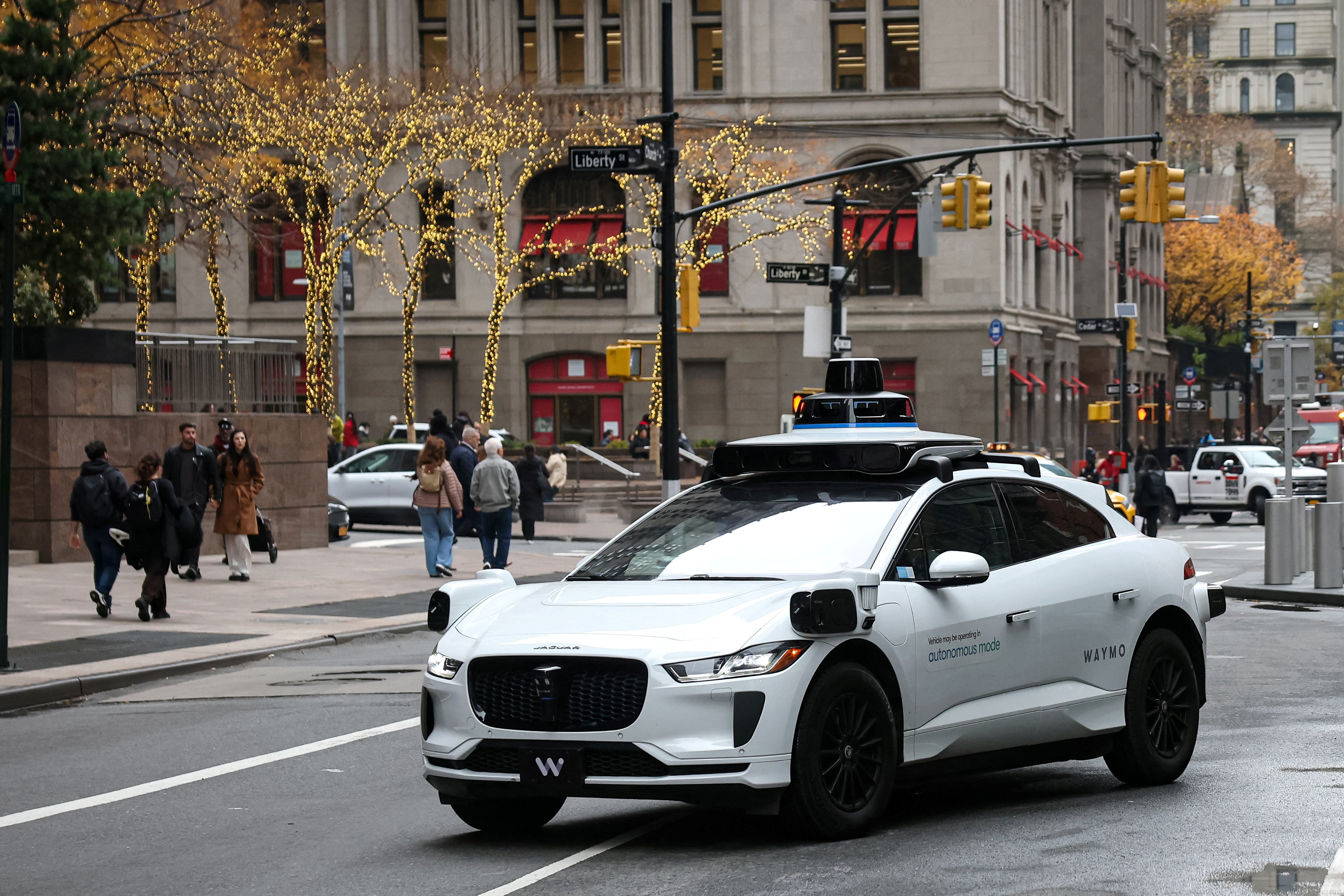
Waymo temporarily suspended its driverless taxi service in San Francisco on July 18, 2026, during a widespread power outage that lasted approximately one hour and affected 7,000 customers of local utility PG&E. The company restored service after assessing the outage's impact and coordinating with city authorities.
At a glance: Key facts
- Service paused for 1 hour on July 18, 2026
- Triggered by power outage affecting 7,000 PG&E customers
- Highway routes temporarily disabled as precaution
- Third such incident for Waymo in seven months
- SF Mayor calls for stricter autonomous vehicle regulation
- Full service restored after safety review
Why Waymo paused operations
The service interruption resulted from a power failure that disrupted critical infrastructure for Waymo's autonomous vehicles. The company implemented safety protocols when the outage affected multiple San Francisco neighborhoods.
Outage scope
PG&E reported approximately 7,000 affected customers across various San Francisco districts, compromising infrastructure needed for autonomous vehicle operations including communication networks and traffic systems.
Safety restrictions
Waymo disabled highway routes during the outage as these high-speed environments require additional safety margins for autonomous systems during infrastructure failures.
Technical challenges
Power disruptions can affect real-time data processing, vehicle-to-cloud communications, and sensor calibration - requiring system reboots and safety checks before returning to service.
Waymo's response
The company coordinated with San Francisco emergency services and transportation officials to evaluate conditions before safely restoring operations.
Government coordination
Waymo worked directly with the SFMTA and Mayor's Office of Transportation to assess outage impacts before resuming service.
Service restoration
Following one-hour downtime and system diagnostics, Waymo gradually reactivated its fleet with additional safety monitoring.
Customer compensation
Waymo is considering reimbursement options for affected riders, potentially including service credits or loyalty program benefits.
Previous incidents
This marks Waymo's third service disruption tied to power infrastructure in recent months, raising questions about system resilience.
December 2025 outage
A citywide blackout stranded multiple Waymo vehicles mid-route, prompting discussions about autonomous vehicle emergency protocols.
July 4 fireworks disruption
Independence Day celebrations caused localized service interruptions when fireworks affected power grids near the Golden Gate Bridge.
Reliability metrics
Waymo has experienced roughly one service disruption every two months over the past year, primarily from technical issues or external infrastructure problems.
Government response
San Francisco officials expressed concerns about recurring autonomous vehicle incidents during infrastructure failures.
Regulatory push
Mayor London Breed called for updated autonomous vehicle regulations addressing emergency scenarios and power resilience requirements.
Policy development
City agencies are drafting new operational requirements for robotaxi companies, including mandatory backup power systems and emergency response plans.
Legislative timeline
The Board of Supervisors may vote as early as fall 2026 on proposed ordinances requiring contingency plans for autonomous fleets during outages.
Technical considerations
Power failures present unique challenges for autonomous systems that rely on continuous infrastructure support.
Infrastructure dependencies
Driverless vehicles require uninterrupted power for cloud connectivity, traffic signal integration, and real-time navigation updates.
Potential solutions
Waymo is evaluating onboard power reserves, fail-safe parking algorithms, and improved grid monitoring integration to minimize future disruptions.
Innovation pipeline
The company is testing 30-minute backup power systems and emergency protocols for safe vehicle immobilization during unexpected power loss.
Questions & answers
How long was Waymo's service interrupted?
Approximately one hour on July 18, 2026 while evaluating outage impacts and implementing safety checks.
Why did Waymo stop its robotaxis?
Precautionary suspension during power outage affecting 7,000 customers and critical infrastructure.
What measures prevent future incidents?
Enhanced emergency protocols, backup systems, and closer coordination with city agencies.
How are officials responding?
Pushing for updated regulations addressing autonomous vehicle operations during infrastructure failures.
Has this happened before?
Yes - similar outages affected Waymo in December 2025 and July 2026.
What risks do outages create?
Potential vehicle immobilization, navigation errors, and communication breakdowns during critical moments.
How does this impact Waymo's reputation?
Analysts note proactive communication helps mitigate concerns, but recurring incidents test consumer confidence.
What alternatives exist?
Some competitors test hybrid systems allowing human override, while Waymo maintains full autonomy focus.