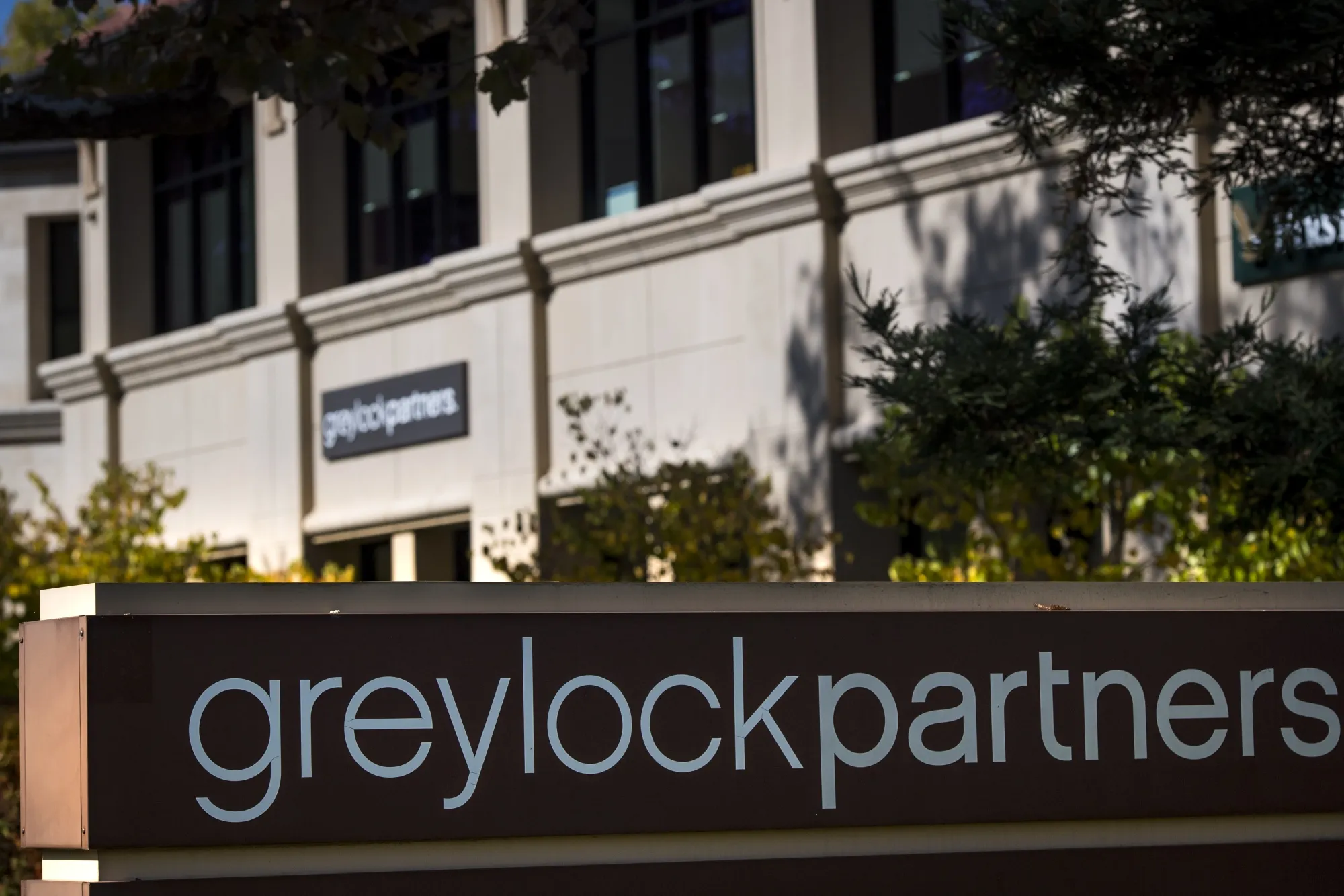
Venture firm Greylock Partners has closed its 18th investment fund at $1.5B—50% larger than its 2023 $1B predecessor but deliberately smaller than its fundraising capacity. The decision reflects a strategy prioritizing concentrated portfolio support over asset accumulation.
At a glance: Key facts
- Greylock is among Silicon Valley's oldest VC firms (founded 1965)
- New $1.5B fund is 50% larger than 2023's $1B vehicle
- Could have raised "multiples more" but capped for strategic focus
- 80% allocated to seed/Series A; 15% reserved for later stages
- Portfolio includes Palo Alto Networks, Abnormal Security, and Anthropic
The constrained capital strategy
Greylock intentionally limited fund size despite capacity for greater capital. Partner Saam Motamedi confirmed this preserves bandwidth for hands-on portfolio support.
Investment principles
- 10 partners make 1-2 new investments annually
- Target portfolio: ~25 companies per fund
- Company incubation (e.g., Palo Alto Networks)
- 15% allocation for follow-on investments
The "high-touch" operating model
Greylock's unique approach dedicates 30-50% of partners' time to portfolio work including:
- Founder mentorship
- Key executive recruitment (engineers, sales leaders)
- Cross-portfolio networking
- Enterprise introductions (e.g., arranged 20+ Fortune 500 meetings for Baseten)
Diverging from VC industry trends
Unlike peers scaling fund sizes, Greylock maintains "smaller but deeper" positioning to:
- Concentrate on early-stage (seed/Series A)
- Deliver personalized founder support
- Create portfolio synergies
Fund strategy comparison
| Fund | Latest fund size | Annual deals | Strategy |
|---|---|---|---|
| Greylock | $1.5B | 10-20 | Concentrated portfolio support |
| Sequoia | $2.25B | 50+ | Broad diversification |
| a16z | $4.5B | 100+ | Market saturation |
Notable investments
Greylock's selective approach yields outsized returns:
- Palo Alto Networks—incubated in-house, now $96B market cap
- Abnormal Security—$5.1B valuation post-2018 incubation
- Anthropic—Series F investment at $183B valuation
Case study: Building from scratch
When incubating Palo Alto Networks in 2005, Greylock:
- Refined product-market fit for new cybersecurity category
- Provided 6 months of office space
- Secured first 10 enterprise customers
- Recruited engineers from Cisco/Juniper Networks
Strategy risks and rewards
Constrained diversification increases potential returns but presents challenges:
- Rigorous selection (1-2 deals/partner/year)
- Dependence on single-company outcomes
- Late-stage competition from mega-funds
Fund economics
With $1.5B across 25 companies:
- Average check: $60M
- Target ownership: 15-25% at exit
- 3x return requires $18B+ in exits
- Historical 10-year IRR: 35%
Questions & answers
How large is Greylock's new fund?
The 18th fund totals $1.5B—50% larger than 2023's $1B fund.
Why didn't Greylock raise more?
The cap preserves focus on early-stage depth. Expansion would require:
- More deals per partner
- Diluted attention across portfolio
- Drift toward growth-stage investing
Which companies are in Greylock's portfolio?
Includes Palo Alto Networks, Abnormal Security, Anthropic, Revolut, and Wiz. 60% are seed/Series A investments.
How does Greylock select startups?
Criteria emphasize founder potential (often pre-company), market size, and tech advantage, particularly:
- Founder industry expertise
- Technology scalability
- New market creation potential
What are Greylock's exit timelines?
Typical 7-10 year horizon via:
- IPO (Palo Alto Networks 2012)
- Acquisitions (AppDynamics by Cisco for $3.7B pre-IPO)
- Secondary sales (partial Revolut exit planned 2025)