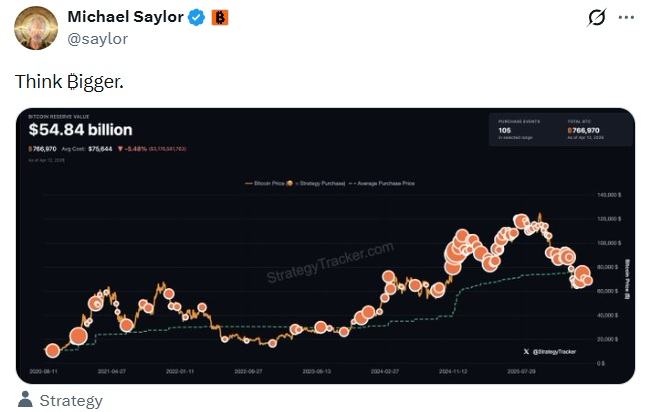

Bitcoin's recent price decline has ignited fierce debate among investors. Michael Saylor argues capital is rotating into AI—not reflecting Bitcoin's weakness—while bears point to macroeconomic headwinds and regulation. We compare these narratives and their market implications.
Bitcoin's Drop at a Glance
Recent volatility coincides with record trading volumes. Saylor frames this as temporary capital migration to AI's growth potential, stressing Bitcoin's fundamentals remain strong. Bears counter with macroeconomic instability, regulatory pressure, and retail investor exits.
Saylor's AI Capital Rotation Thesis
The MicroStrategy CEO identifies four key points:
- Investment shift: Funds flowing from crypto to high-growth AI projects
- Bitcoin's health: Network stability unaffected by regulatory changes
- Temporary trend: Short-term capital reallocation before rebound
- Store of value: Bitcoin's digital gold status remains intact
The Bear Case: Macro, Regulation & Retail Exodus
Pessimists highlight divergent factors:
- Macro pressures: Inflation, rate hikes reducing risk appetite
- Regulatory crackdowns: US/EU oversight creating uncertainty
- Retail outflow: Volatility eroding casual investor interest
- Downward momentum: Negative factors likely to persist
Regulatory Landscape
US proposals for strict crypto oversight contrast with Europe's investor protection framework and Asia's polarized approaches—from bans to blockchain incentives—creating regional risk disparities.
Industry Impact
- Miners: Profit squeeze leading to consolidation
- Companies: Funding challenges slowing Bitcoin-centric projects
- Capital flows: AI attracting blockchain investment dollars
- Investor behavior: Accelerated diversification strategies
Investor Action Plan
- Track capital movements: Monitor AI vs. crypto allocation trends
- Diversify: Hedge across asset classes
- Regulatory awareness: Watch US/EU policy developments
- Long-term focus: Avoid reactionary trading
| Factor | Saylor's View | Bear Perspective |
|---|---|---|
| Primary Cause | AI capital rotation | Macro/regulatory pressure |
| Duration | Short-term correction | Sustained downturn risk |
| Bitcoin Outlook | Fundamentals strong | Structural threats emerging |
| Strategy | Innovation-weighted diversification | Risk mitigation focus |
Questions & Answers
Why does Saylor connect Bitcoin's drop to AI growth?
He observes investors temporarily favoring AI's rapid advancement, viewing this as sector rotation rather than Bitcoin-specific weakness.
What evidence supports the bearish outlook?
Inflationary pressures, regulatory uncertainty, and declining retail participation collectively suggest prolonged downward pressure.
How does this affect miners and crypto firms?
Lower Bitcoin prices compress mining margins, while companies face fundraising hurdles—particularly for Bitcoin-dependent initiatives.
Is now a good time to buy Bitcoin?
For long-term holders comfortable with volatility, this dip may present opportunity—but always diversify and assess risk tolerance.
What are the risks of AI investment shifts?
AI sectors face their own volatility; capital chasing trends risks exposure to sector-specific corrections.
How to protect assets during instability?
Diversify holdings, utilize hedging tools, stay informed, and avoid emotional decisions during price swings.