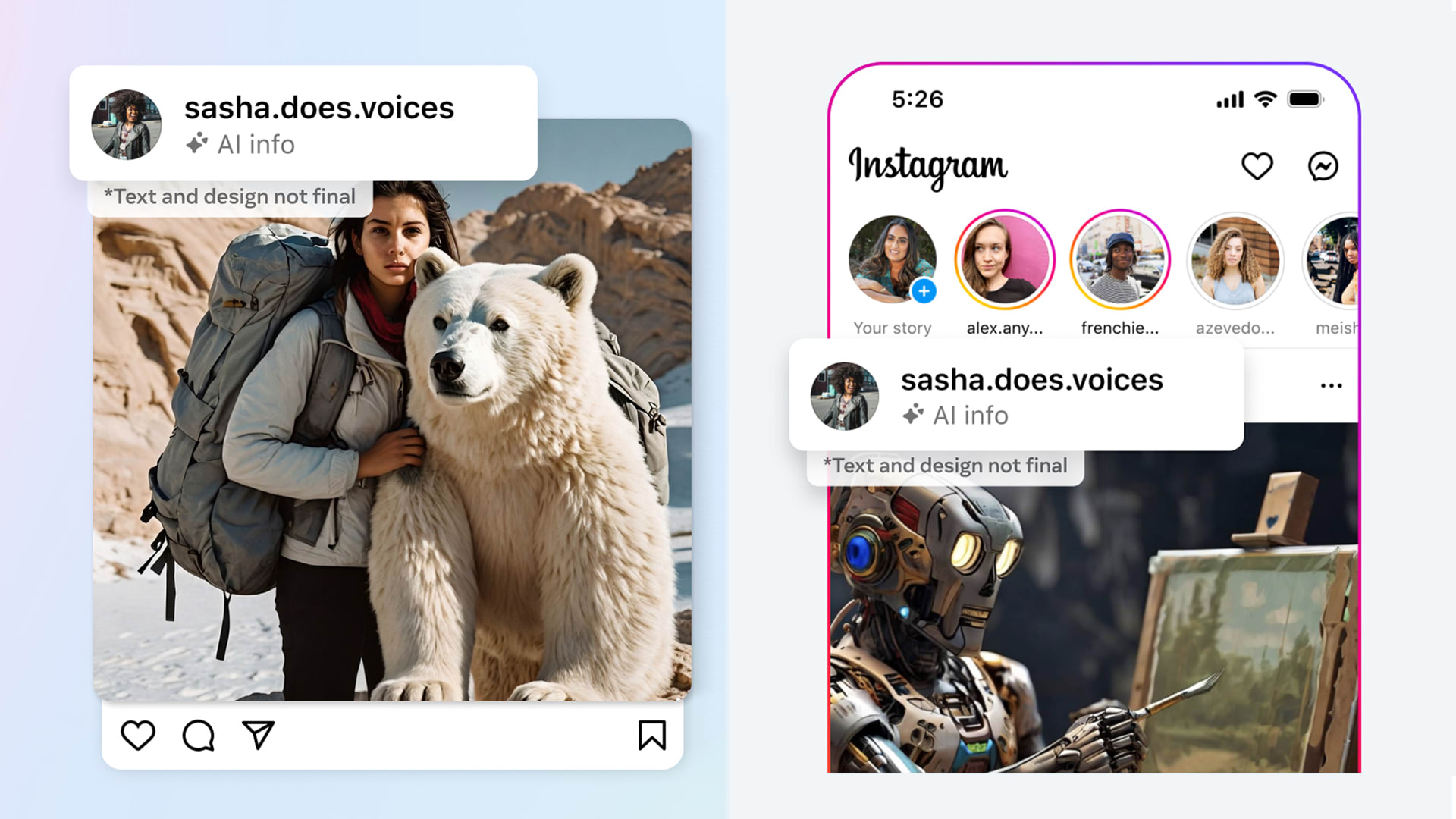
Meta has emergency disabled Muse Image AI on Instagram, a tool that generated AI images by referencing public accounts via @ mentions. The decision came just 24 hours after launch following intense criticism about image rights violations and fraud risks. Users can no longer create deepfakes based on others' profiles without explicit consent.
Timeline of Events
On July 9, 2026, Meta announced Muse Image AI—an image generation tool that could reference public Instagram accounts. By July 10, the feature was completely disabled. Key moments:
- July 9: Official launch of Muse Image AI with @ mention functionality
- July 10 AM: First criticism from Screen Actors Guild
- July 10 PM: National Center on Sexual Exploitation calls it a "sextortion tool"
- July 10 evening: Meta disables public account references
Why It Was Disabled
Main criticisms of Muse Image AI:
- No consent: Created deepfakes without account owners' permission
- Buried settings: Opt-out was hidden deep in privacy menus
- Abuse potential: Risk of generating fake compromising images
Haley McNamara from National Center on Sexual Exploitation stated: "This was clearly a sextortion tool. Shifting responsibility to users is unacceptable."
How the Feature Worked
Technical implementation:
- Any public account could be referenced via @ mention in Meta AI prompts
- System analyzed profile's public photos/videos
- Generated new images preserving recognizable features
- Required no confirmation from account owners
Users could disable it via: Settings → Privacy → AI Services → "Block AI Generation References."
Meta's Response
The company stated in an updated blog post:
"We aimed to create a useful tool but acknowledge the public account approach was flawed. The feature is unavailable while we redesign consent mechanisms."
Meta didn't specify when (or if) the feature might return with revised rules.
User Impact
After Muse Image AI's removal:
- No more AI images based on others' public accounts
- Previously generated deepfakes remain accessible
- Meta recommends reviewing privacy settings
Expert advice:
- Switch to private mode if needed
- Disable all Meta AI services in settings
- Monitor profile mentions
Future of AI Generation at Meta
Possible next steps:
- Explicit consent: Require permission before using content
- Account verification: ID confirmation for deepfake creation
- Legal restrictions: Ban certain AI image types
Industry analysts predict stricter AI image regulation by 2026-2027.
Technical Details
Additional specs of Muse Image AI:
- Used modified Stable Diffusion 3.5 model
- Could blend facial features from multiple profile photos
- Supported 4K resolution generation
- Had 50-image daily limit per account
Legal Ramifications
Potential consequences:
- Possible GDPR Article 22 violations in EU
- California's AB-602 bans nonconsensual deepfakes
- Risk of class-action lawsuits against Meta
Platform Comparison
How competitors handle AI generation:
| Platform | Deepfake Policy | Requires Consent |
|---|---|---|
| TikTok | Total ban on face generation | Yes |
| Twitter/X | AI content labeling | No |
| Snapchat | Verified accounts only | Yes |
Questions & Answers
Can you still create AI deepfakes on Instagram?
No, the @ mention generation feature was fully disabled on July 10, 2026.
How do I block AI generation of my account?
Go to Settings → Privacy → AI Services and enable "Block AI Generation References."
Which organizations criticized Meta's feature?
Main critics: Screen Actors Guild and National Center on Sexual Exploitation.
What was Muse Image AI?
Meta's AI image generator launched July 9, 2026 and disabled within 24 hours.
Are there penalties for making deepfakes without consent?
Meta imposed no sanctions, but some jurisdictions have personal data protection laws.
How did Meta explain disabling the feature?
The company admitted the public account approach "didn't meet user expectations."
What were the technical limits?
50 daily generations per account using modified Stable Diffusion 3.5.
Do competitors have similar features?
TikTok bans face generation entirely while Snapchat restricts it to verified accounts.
Business Risks
Companies using public accounts for marketing faced:
- Fake ad campaigns with AI-generated brand ambassadors
- Fraudulent reviews with synthetic faces
- Reputation damage from unauthorized logo use
Alternative Tools
Other AI image platforms with different privacy approaches:
- Midjourney: Manual moderation for controversial content
- DALL-E 3: Auto-blocks generation of public figures
- Stable Diffusion: Fully decentralized with no restrictions
Expert Analysis
Tech analysts identify three core issues:
- Ethical vacuum: No clear standards for social media AI generation
- Technological recklessness: Launching features without social impact assessment
- Legal gray areas: Conflicting international regulations
Historical Context
Not Meta's first AI controversy:
- 2024: Disabled political meme generation after fake quote scandal
- 2025: Changed facial recognition algorithms following racial bias complaints
- Current incident marks fastest feature recall (under 24 hours)
Protection Tips
How to safeguard your account:
- Regularly check Instagram privacy settings
- Enable two-factor authentication
- Use mention monitoring tools
- Report suspicious content