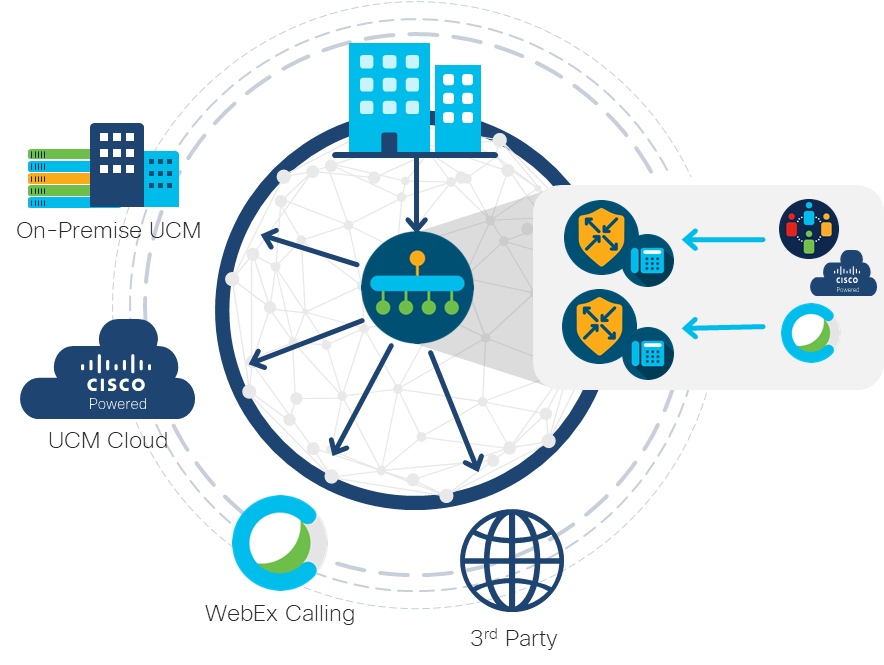
Cisco has disclosed a critical vulnerability in Unified Communications Manager (Unified CM) that enables attackers to gain root access to servers. Security patches are now available, but the public release of proof-of-concept (PoC) exploit code dramatically increases the likelihood of attacks. This article details the vulnerability's technical impact, business consequences, and immediate mitigation steps.
The Vulnerability Explained
Cisco's security team identified a critical flaw in Unified CM - the enterprise telephony and communications management platform. Rated high on the CVSS scale, this vulnerability permits remote code execution with root privileges on affected systems.
The issue stems from insufficient input validation, allowing attackers to bypass authentication mechanisms and escalate to administrator privileges. Publicly available PoC code confirms the exploit's viability.
Why This Matters for Enterprises
Unified CM serves as the backbone for corporate voice, video, and messaging systems. Root access grants attackers complete system control, enabling:
- Interception/modification of voice communications
- Backdoor installation for persistent access
- Exfiltration of sensitive data
- Disruption of critical communication services
The PoC's availability lowers the technical barrier for attackers, increasing widespread exploitation risks.
Technical Details and Affected Versions
The vulnerability impacts multiple Unified CM versions, including widely deployed releases in enterprise networks. Cisco advises immediate version checks and patching.
Notably, attacks can occur remotely without authentication, significantly raising the threat level.
Business Impact Analysis
Successful exploitation could lead to:
- Compromised communication integrity and confidentiality
- Disrupted voice/video-dependent business processes
- Financial losses from downtime and recovery costs
- Reputational damage from data breaches and service outages
Security experts emphasize prioritizing updates for critical infrastructure components like Unified CM.
Detection and Mitigation Steps
Administrators should:
- Identify installed Unified CM versions
- Cross-reference with Cisco's vulnerable versions list
- Apply all available security updates immediately
- Review access logs for suspicious activity
- Implement network segmentation for Unified CM servers
Patch Implementation Guide
Cisco recommends:
- Immediate installation of official patches
- Strengthening authentication and access controls
- Updating security policies and conducting infrastructure audits
- Alerting security teams about PoC-based attack vectors
- Restricting network access if patching isn't immediately possible
Comparative Threat Analysis
How this vulnerability compares to similar incidents:
- Cisco Unified CM (current): Remote root access, public PoC, complete communication control
- Avaya Communication Manager: Local privilege escalation, complex exploitation
- Microsoft Teams (historical): Authentication bypass, quickly patched
The current case stands out for its exploit availability and severe communication security implications.
Questions & Answers
What is Cisco Unified Communications Manager?
An enterprise communications platform managing voice, video, and messaging services.
What vulnerability was discovered?
A remote code execution flaw granting root access to Unified CM servers.
Why urgent patching matters?
Public PoC availability makes attacks easier and more likely.
Potential business impacts?
Data breaches, communication disruptions, financial losses, and reputational damage.
How to check system security?
Verify versions, apply patches, analyze logs, and restrict server access.
Temporary mitigation if patching delayed?
Isolate servers from untrusted networks and enhance monitoring.
Future protection tools?
Regular patching, anomaly monitoring, network segmentation, and security training.
Conclusions and Recommendations
This Unified CM vulnerability poses severe enterprise risks, especially with public exploit code available. Immediate patching and security hardening are critical to prevent data breaches and service disruptions.
Administrators must prioritize version identification, patch application, and access policy reviews. Proactive updates and monitoring should become standard practice to mitigate similar future threats.