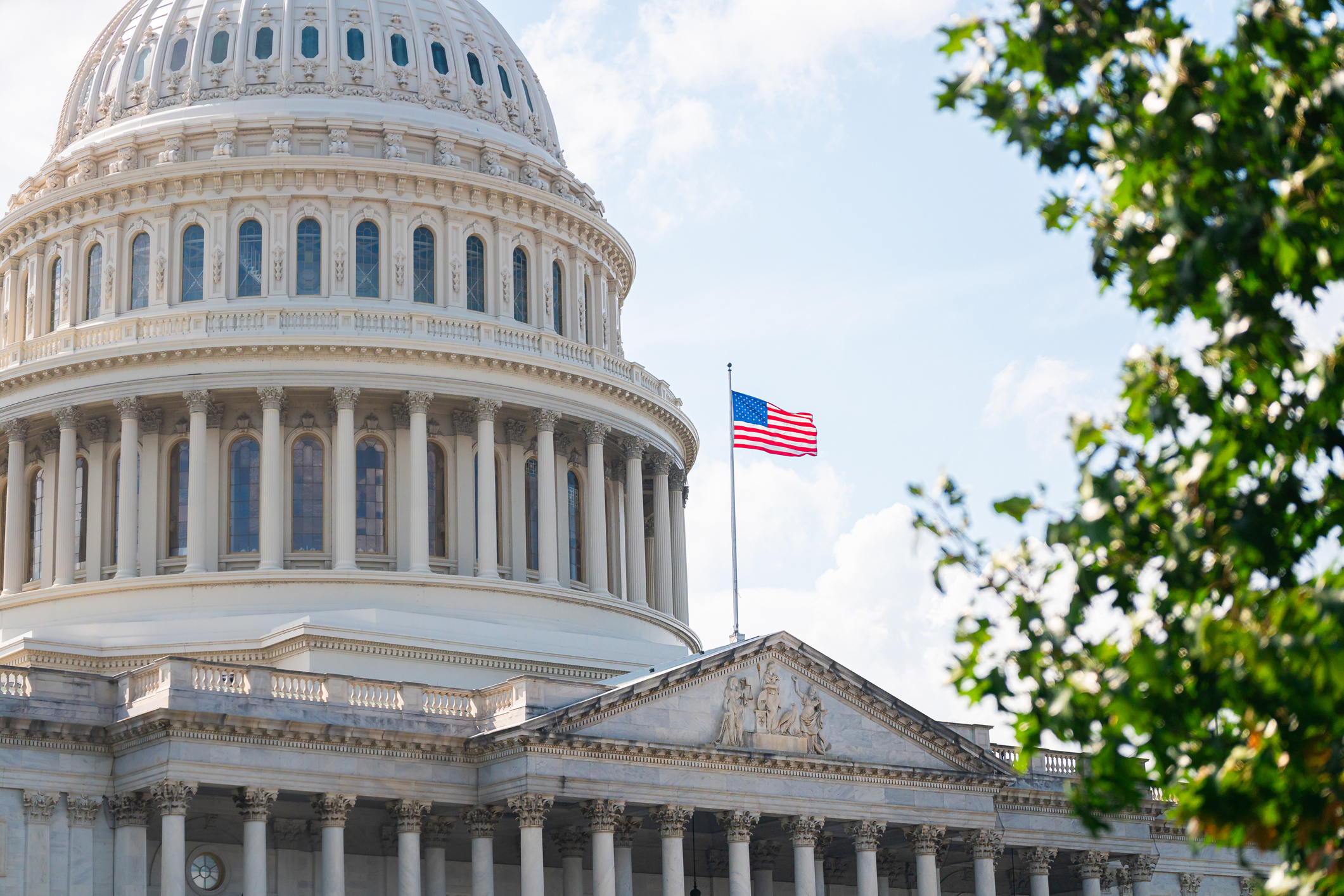
The US House Financial Services Committee, led by Chairman French Hill, has begun addressing critical regulatory questions surrounding digital asset tokenization. This initiative aims to establish clear rules for the rapidly growing crypto finance sector, where the lines between traditional securities and blockchain tokens remain blurred. In a CoinDesk interview, Hill emphasized the need to eliminate legal uncertainty for investors and businesses.
%22%2F%3E%3Crect%20width%3D%221600%22%20height%3D%22900%22%20fill%3D%22url(%23a)%22%2F%3E%3Crect%20width%3D%221600%22%20height%3D%22900%22%20fill%3D%22url(%23b)%22%2F%3E%3Cpath%20d%3D%22M100%20720%20C380%20520%20470%20760%20740%20560%20S1180%20420%201500%20640%22%20fill%3D%22none%22%20stroke%3D%22%23fff%22%20stroke-width%3D%222%22%20opacity%3D%22.22%22%2F%3E%3Crect%20x%3D%22132%22%20y%3D%22122%22%20width%3D%221336%22%20height%3D%22656%22%20rx%3D%2256%22%20fill%3D%22%23fff%22%20fill-opacity%3D%22.08%22%20stroke%3D%22%23fff%22%20stroke-opacity%3D%22.22%22%2F%3E%3Ctext%20x%3D%22190%22%20y%3D%22238%22%20fill%3D%22%23a7f3d0%22%20font-family%3D%22Inter%2CArial%2Csans-serif%22%20font-size%3D%2234%22%20font-weight%3D%22800%22%20letter-spacing%3D%228%22%3EBDNEWS24.NET%3C%2Ftext%3E%3Ctext%20x%3D%22190%22%20y%3D%22350%22%20fill%3D%22%23fff%22%20font-family%3D%22Inter%2CArial%2Csans-serif%22%20font-size%3D%2262%22%20font-weight%3D%22900%22%3E%D0%9A%D0%B0%D0%BA%20%D0%9A%D0%BE%D0%BC%D0%B8%D1%82%D0%B5%D1%82%20%D0%BF%D0%BE%20%D1%84%D0%B8%D0%BD%D0%B0%D0%BD%D1%81%D0%BE%D0%B2%D1%8B%D0%BC%20%D1%83%D1%81%D0%BB%D1%83%D0%B3%D0%B0%D0%BC%20%D0%9F%D0%B0%D0%BB%D0%B0%D1%82%D1%8B%20%D0%BF%D1%80%D0%B5%D0%B4%D1%81%D1%82%D0%B0%D0%B2%D0%B8%D1%82%D0%B5%D0%BB%D0%B5%D0%B9%20%D0%A1%D0%A8%D0%90%20%D0%B2%D0%B7%D1%8F%D0%BB%D1%81%D1%8F%20%D0%B7%D0%B0%20%D1%82%D0%BE%D0%BA%D0%B5%D0%BD%D0%B8%D0%B7%D0%B0%D1%86%D0%B8%D1%8E%3A%20%D1%81%D0%BE%D1%81%D1%82%D0%BE%D1%8F%D0%BD%D0%B8%D0%B5%20%D1%80%D1%8B%D0%BD%D0%BA%D0%B0%20%D0%BA%D1%80%D0%B8%D0%BF%D1%82%D0%BE%D0%B0%D0%BA%D1%82%D0%B8%D0%B2%D0%BE%D0%B2%3C%2Ftext%3E%3Ctext%20x%3D%22190%22%20y%3D%22720%22%20fill%3D%22%23cbd5e1%22%20font-family%3D%22Inter%2CArial%2Csans-serif%22%20font-size%3D%2230%22%20font-weight%3D%22700%22%3EIT%20%2F%20AI%20%2F%20Crypto%20%2F%20Security%3C%2Ftext%3E%3C%2Fsvg%3E)
Why the Financial Services Committee is Focusing on Tokenization
Tokenization converts asset rights (real estate, securities, commodities) into blockchain-based digital tokens. This process promises to streamline transactions, increase liquidity, and broaden investment access. However, legal ambiguity and lack of standardized rules create risks for market participants.
The House committee responsible for financial market legislation recognizes the need for clear token frameworks, especially given growing interest from institutional investors and tech companies.
Key Committee Objectives
- Establishing criteria for classifying tokens as financial instruments
- Creating rules for security token offerings (STOs)
- Ensuring investor transparency and protection
- Coordinating with regulators (SEC and CFTC)
- Balancing innovation incentives with risk controls
Current Regulatory Challenges for US Tokenization
Crypto's rapid evolution has exposed gaps in traditional securities laws. Tokens often blend characteristics of securities and utility assets, complicating classification.
The SEC typically treats many tokens as securities, requiring strict disclosure and registration. Meanwhile, other tokens operate in regulatory gray areas, creating uncertainty for issuers, investors, and developers.
Major Pain Points
- Ambiguous legal status of tokens
- Lack of unified regulatory framework
- Divergent SEC and CFTC approaches
- Fraud and manipulation risks
- Blockchain/traditional finance compatibility issues
Potential Industry Impacts
Clearer regulations could boost market transparency and attract institutional capital currently deterred by uncertainty. However, excessive restrictions might stifle innovation and disadvantage tokenization startups.
Companies working with tokenized assets should monitor legislative developments and prepare for business model adjustments.
Expected Changes
- Standardized token disclosure requirements
- Stronger AML/fraud prevention measures
- Possible securities registration mandates
- Increased regulator/auditor collaboration
- New infrastructure and issuance standards
Actionable Guidance for Market Participants
To navigate this shifting landscape:
- Token issuers: Conduct legal classification analysis, prepare investor documentation, consult compliance experts
- Investors: Verify token legality, assess risk profiles, evaluate disclosure quality
- Developers: Align technical solutions with emerging regulatory standards
Questions & Answers
What is tokenization and why does it matter?
Tokenization converts asset rights into tradeable digital tokens, improving liquidity and enabling new financial products.
What are today's biggest token regulation challenges?
Legal ambiguity, regulatory fragmentation, and fraud risks create operational hurdles for market participants.
How will the Committee's work affect crypto markets?
Clearer rules may increase institutional participation but could raise compliance costs for token projects.
What should companies do now?
Assess token classifications, prepare compliance documentation, and monitor regulatory updates.
Who should pay closest attention?
Institutional investors, blockchain firms, and legal professionals working with digital assets.
What risks remain despite new regulations?
Overregulation may slow innovation, while international coordination and technical implementation challenges persist.