At a glance
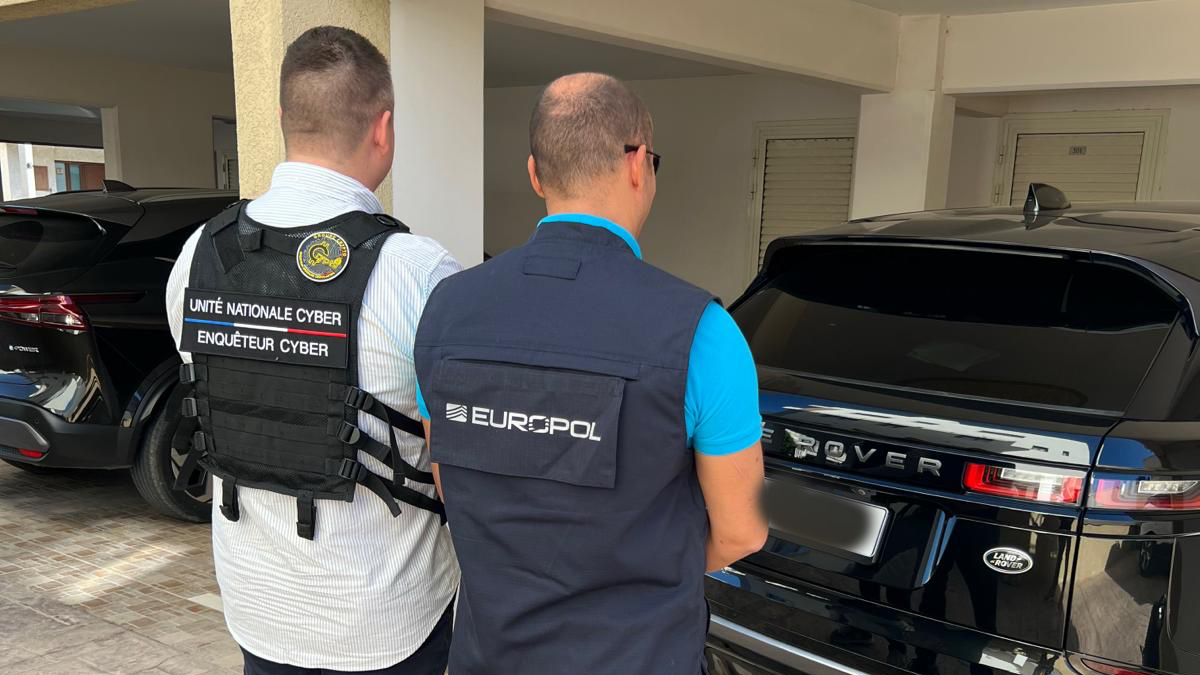
- 7 arrests in Poland, Cyprus, Greece and Belgium (May-July 2024)
- 700+ "advisors" across 20 fake call centers
- 90% payments in USDT, BTC and ETH
- Confirmed losses: $28.6M from 550 victims
- €3.2M in assets seized
- Average victim age: 45-65 years
How the scam operated
Criminals ran a network of 20 call centers with 700+ operators pushing fake crypto platforms, primarily accepting USDT, Bitcoin and Ethereum.
Technical infrastructure
- AWS and DigitalOcean servers with falsified data
- VPN/proxy services rotating IPs every 24 hours
- Trading activity bots
- Custom cryptocurrency wallets
Psychological tactics
Scammers used advanced social engineering:
- Artificial scarcity tactics ("last chance to invest")
- Fake testimonials and recommendations
- Faked transaction screenshots
- 3-6 month "grooming" period before large investments
Money laundering methods
Criminals utilized:
- 50-100 temporary wallet chains
- Crypto mixers
- Exchanges in UAE and Turkey
- P2P platforms for cashing out
- Privacy coins (Monero, Zcash) for 12% of transactions
Cashing out stages
- Initial distribution across 10-20 wallets
- 3-5 mixing cycles
- Fiat conversion via lax-KYC exchanges
- Luxury goods purchases through shell companies
- Legitimate business investments for laundering
The investigation
An 18-month operation involving:
- Blockchain analysis via Chainalysis
- Polish server decryption
- Coordination with 9 European law enforcement agencies
- Darknet forum monitoring
Key investigation milestones
| Period | Action | Result |
|---|---|---|
| January 2023 | Complaint analysis | Pattern identification |
| March 2023 | Transaction tracing | Mixer scheme uncovered |
| July 2023 | Undercover agent | CRM access obtained |
| October 2023 | Interpol coordination | International warrants |
Protection strategies
- Verify licenses in ESMA registries
- Avoid guaranteed returns over 10%
- Store crypto in cold wallets
- Use hardware wallets for large amounts
- Enable two-factor authentication
Additional security measures
- Set transaction limits
- Use dedicated devices for financial operations
- Check platform SSL certificates
- Beware of Telegram/WhatsApp offers
- Regularly update wallet software
Questions & answers
How did scammers recruit victims?
Through 2-4 weeks of messaging app conversations, fake ROI charts showing 15-30% returns, and crypto-only payment demands.
Can stolen funds be recovered?
Less than 5% recoverable through lawsuits. Average case duration: 2-3 years.
Which cryptocurrencies were most used?
45% USDT (ERC-20), remainder Bitcoin and Ethereum. Privacy coins (Monero/Zcash) for 12% of transactions.
What sentences do organizers face?
Projected 10-18 years for fraud, money laundering, and criminal organization charges.
Where were operational hubs located?
Call centers in Poland (40%), Bulgaria (25%), Romania (20%) and Serbia (15%), coordinated from Israel.
What were the red flags?
Withdrawal impossibilities, "unlock fee" demands, and aggressive sales tactics.
Crime geography
The scheme spanned 27 countries including Germany (32% victims), France (18%), Italy (15%) and Spain (12%). Targeted nations with high trust in financial advisors. Eastern European "employees" recruited via fake "financial manager" job ads offering €2000-3000/month.
Operational hubs
- Cyprus - financial coordination
- UAE - crypto-to-fiat exchanges
- Poland - technical infrastructure
- Serbia - English-language call centers
Victim profile
Analysis of 550 cases reveals:
- 78% males aged 40-55
- 62% small business owners
- Average first payment: €2500
- Maximum individual loss: €420,000
- 85% transactions during business hours (9am-6pm CET)
Behavioral markers
- No crypto experience (91% of cases)
- Seeking bank deposit alternatives
- Responding to Facebook/Google ads
- Using personal savings (not loans)